
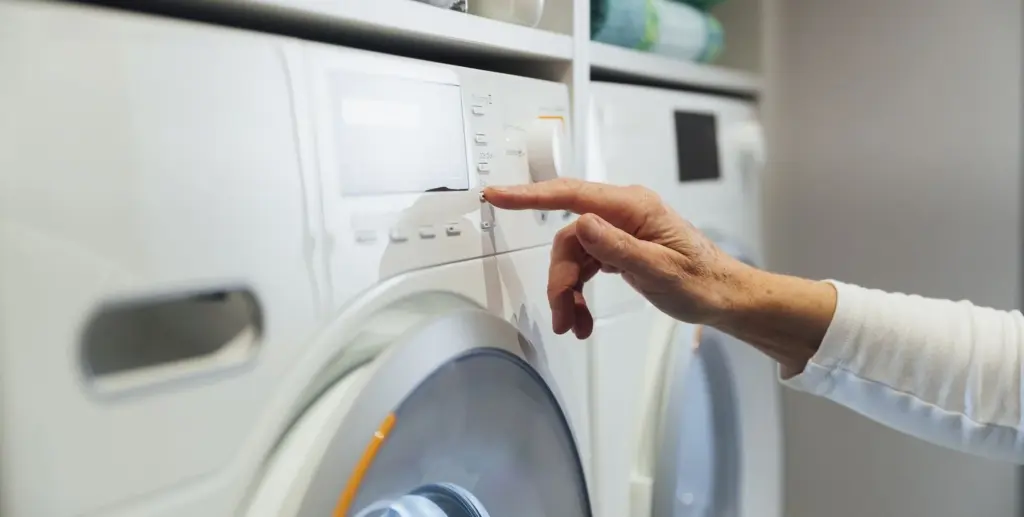
This section covers everyday washing machine use - from understanding wash symbols and loading correctly, to dealing with poor wash results, detergent choices, and keeping your machine in good condition. If your machine has a fault or is displaying an error code, see the fault diagnosis section instead.
Most washing machine problems with laundry results - including poor cleaning, white streaks, bad smells, and holes in clothes - are caused by incorrect use rather than a machine fault. Checking detergent type and dosage, wash temperature, loading habits, and filter cleanliness resolves the majority of issues without calling an engineer.
Safety and General Guidance
Before getting into specifics, these are the most important general articles about using a washing machine safely and sensibly.
Function, Care and Maintenance
These articles cover how to use a washing machine correctly, how to look after it, and the maintenance tasks that keep it running efficiently and extend its lifespan.
Problems with Wash Results
If your laundry is coming out dirty, discoloured, damaged, or with marks on it after washing, the cause is usually one of the issues covered below. In most cases the fix does not require an engineer.
Detergents and Fabric Softener
Choosing and using the right detergent makes a significant difference to wash results, fabric longevity, and the long-term condition of the machine itself. Many laundry problems trace back to incorrect detergent type or overdosing.
Need to diagnose a fault?
If your washing machine has stopped working, is displaying an error code, or has a mechanical problem, see the dedicated fault guides section.
Frequently Asked Questions
How much detergent should I use in a washing machine?
Most people use significantly more detergent than is actually needed. Modern concentrated detergents require much smaller doses than older formulations, and the dosing guides on packaging are often larger than necessary. Too much detergent leaves residue in fabric, causes poor rinsing, and contributes to mould and smell build-up in the machine. As a starting point, use half the recommended dose and increase only if results are poor. Read: which is the best type of detergent?
Why does my washing machine smell bad?
The most common causes are mould growth on the door seal and inside the drum, detergent and fabric softener residue in the dispenser drawer and drum, and stagnant water in the pump filter or hoses. Running a hot maintenance wash at 60°C or 90°C monthly with no laundry, cleaning the door seal and drawer regularly, and leaving the door ajar between washes resolves the majority of smell problems. Read: how to get rid of washing machine smells.
Is it safe to leave the washing machine on when I go out?
Whitegoods Help advises against it. Washing machine fires, while relatively rare, do occur and can be severe. The risk is low but real, and it is entirely avoidable by simply running the machine when you are at home. If you need to run cycles overnight or while out due to time-of-use tariffs, ensure smoke alarms are fitted and tested, particularly near the utility area. Read the full guide: is it safe to leave the washing machine on?
Why is my laundry not getting clean?
The most common causes are washing at too low a temperature for the soil level, using too little detergent, overloading the drum so clothes cannot move freely, and a dirty or blocked pump filter affecting rinsing performance. Check each of these before assuming the machine has a fault. Read: washing not getting clean.
Should I use biological or non-biological detergent?
Biological detergents contain enzymes that are highly effective at removing protein-based stains at lower temperatures. However, they can damage wool and silk, and some people with sensitive skin find them irritating. Non-biological detergents are a safer choice for delicate fabrics and households with skin sensitivities, though the evidence for widespread skin irritation from biological detergents is less clear-cut than often claimed. Read: biological detergent and skin irritation.
Why do my washing machine programmes take so long?
Modern washing machines - particularly eco programmes - are designed to use less energy by washing at lower temperatures for longer periods. A 40°C eco cycle may take 2.5 to 3 hours where an older machine took 45 minutes. This is normal and intentional. If a programme is taking longer than usual compared to its normal duration, that can indicate a fault - but long programmes on modern machines are usually by design. Read: why does the washing machine take so long?